
Protecting the World's Freshwater
Learn how our Explorers are preserving the world’s freshwater resources.
Understanding freshwater is critical for life on Earth and is an integral part of the National Geographic Society’s mission.
Our World Water Map – part of the newly launched World Freshwater Initiative (WFI) – accounts for every drop of water in the world – and where it’s going. Experience this map with real-life stories about freshwater challenges and solutions told by National Geographic Explorers who are working to illuminate and protect the wonder of our world.
World Water Map: Insights
Dive deeper into global freshwater issues with World Water Map: Insights. Building on the original World Water Map, World Water Map: Insights introduces enhanced tools for exploring water availability trends across geographic scales—from the global to the local watershed level. This interactive resource allows users to analyze data on water withdrawal, balance, supply-demand gaps, and sector-specific demand; model past, present, and future water availability scenarios through 2100; and create compelling graphics, animations, and reports. Learn more about how this tool can inform decision-making, storytelling, and a more comprehensive understanding of the science and geography of water.
MapMaker: World Water Map
We invest every philanthropic dollar—100 percent of donations—directly into our Explorers and programs.
For 135 years, the National Geographic Society has funded intrepid and passionate individuals dedicated to pushing the boundaries of scientific discovery and illuminating our world. The Society not only supports Explorers through funding, but also through professional development, training, leadership and speaking opportunities, community building, and connections.
What we are doing to protect the world's freshwater
World Freshwater Initiative (WFI)
In many locations on Earth humans and our way of living on the planet are placing unsustainable demands on the supply of freshwater. National Geographic’s World Freshwater Initiative focuses on freshwater availability, quality, and sustainability by leveraging the development of a one of a kind geovisualization of the world’s freshwater availability.
Over the next five years, WFI will fund National Geographic Explorers working in freshwater science, conservation, education, and storytelling.
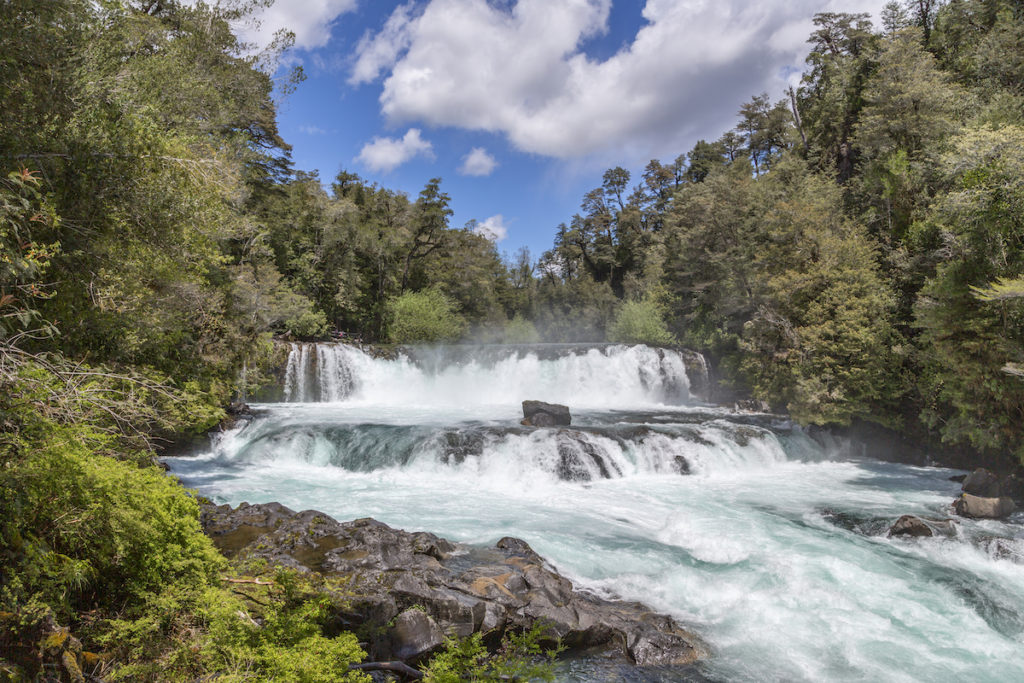
Freshwater Conservation Grantees

Image credit: Martin Gamache for M Leijnse, M F P Bierkens, K H M Gommans, D Lin, B Droppers, A Tait and N Wanders
In September 2024, the National Geographic Society announced four new Explorers, supported through its World Freshwater Initiative. These Explorers will collaborate with local communities on freshwater conservation solutions in water gap “hotspots,” where demand exceeds supply. Their work will span four countries. Learn more here.
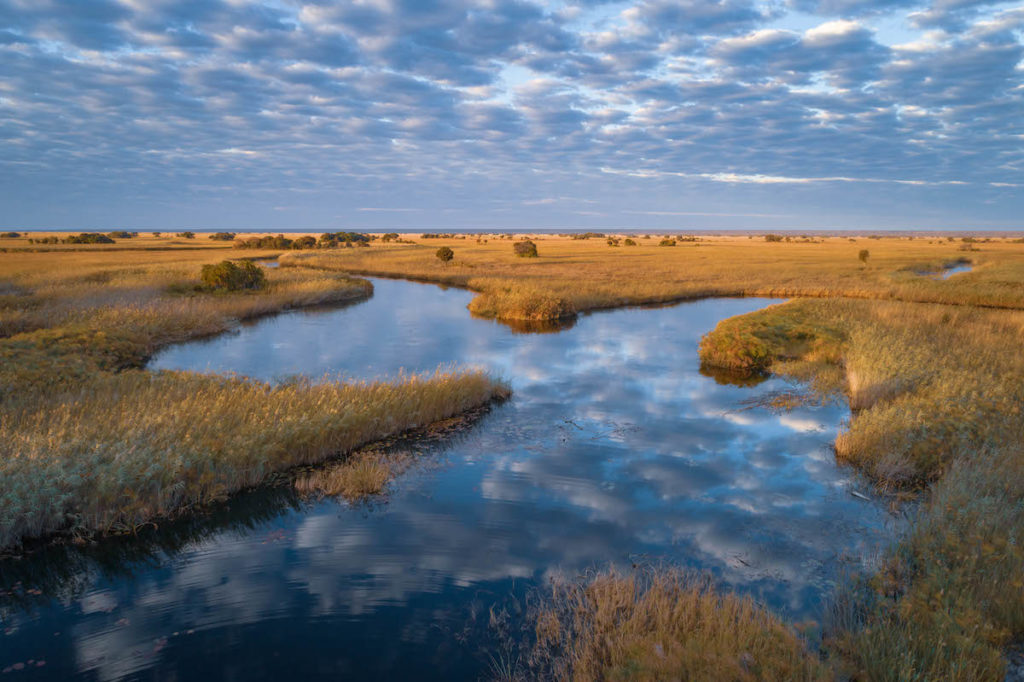
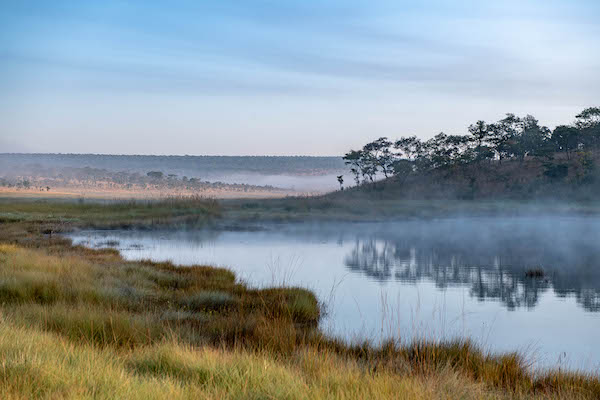
Okavango Wilderness Project
The Okavango Basin is the main source of water for a million people and is one of the most biodiverse places in Africa. Since 2015, the National Geographic Okavango Wilderness Project has been surveying and collecting scientific data on the Okavango River system in collaboration with local communities; NGOs; and the governments of Angola, Namibia, and Botswana to secure permanent, sustainable protection for the greater Okavango River Basin.
Perpetual Planet Expeditions
The National Geographic Society and Rolex have partnered to support trailblazing scientific research, expeditions, and solutions to increase our understanding of the threats facing the planet’s life support systems and drive action to address them. We most recently launched the Perpetual Planet Amazon Expedition – a multi-year science and storytelling exploration of the Amazon spanning the river basin from the Andes to the Atlantic to tell the story of the water and the wildlife, plants and people who depend on it.
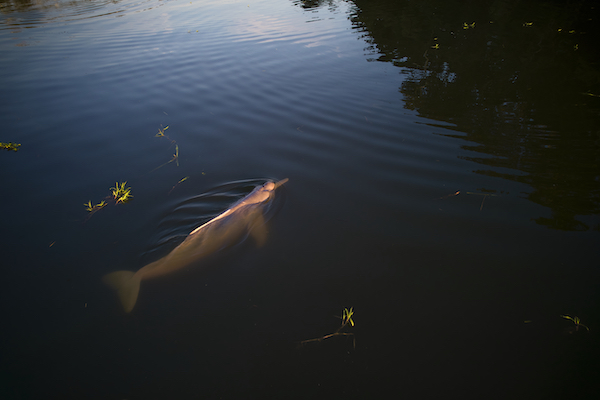
Meet the Explorers making an impact
We’re committed to pushing the boundaries of science, storytelling, and education, and we’re making exploration more inclusive. We’re tapping scientists, educators, and storytellers in more than 140 countries; amplifying the voices of diverse groups of Explorers; and working closely with local communities.
Ghaamid Abdulbasat
Caitlin Ochs
Dalal Emily Lucia Hanna
Jens Stefan Benöhr
Safa Fanaian
Enrique Lomnitz
Marc Bierkens
Garvita Gulhati
Shreya Ramachandran
Join us to learn and protect the wonder of our world
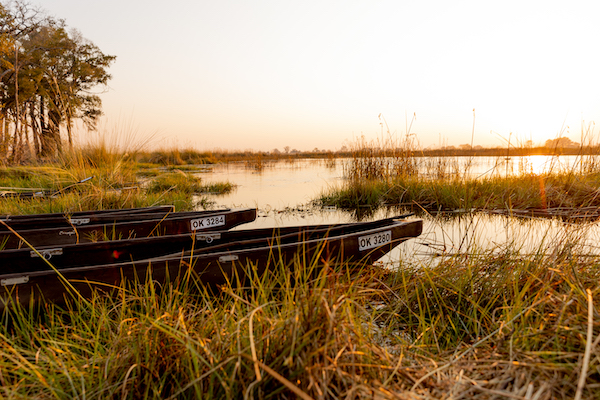
Only when people understand the challenges of freshwater supply will they be able to take action to impact sustainability for the future.
Donate now to help support projects like preserving the world’s freshwater.
Opportunities for the next generation of changemakers
Remote Externship
Building pathways to careers in freshwater and community conservation and exploration.

Slingshot Challenge
Video youth challenge aimed at solving current environmental problems to create a better world for everyone.
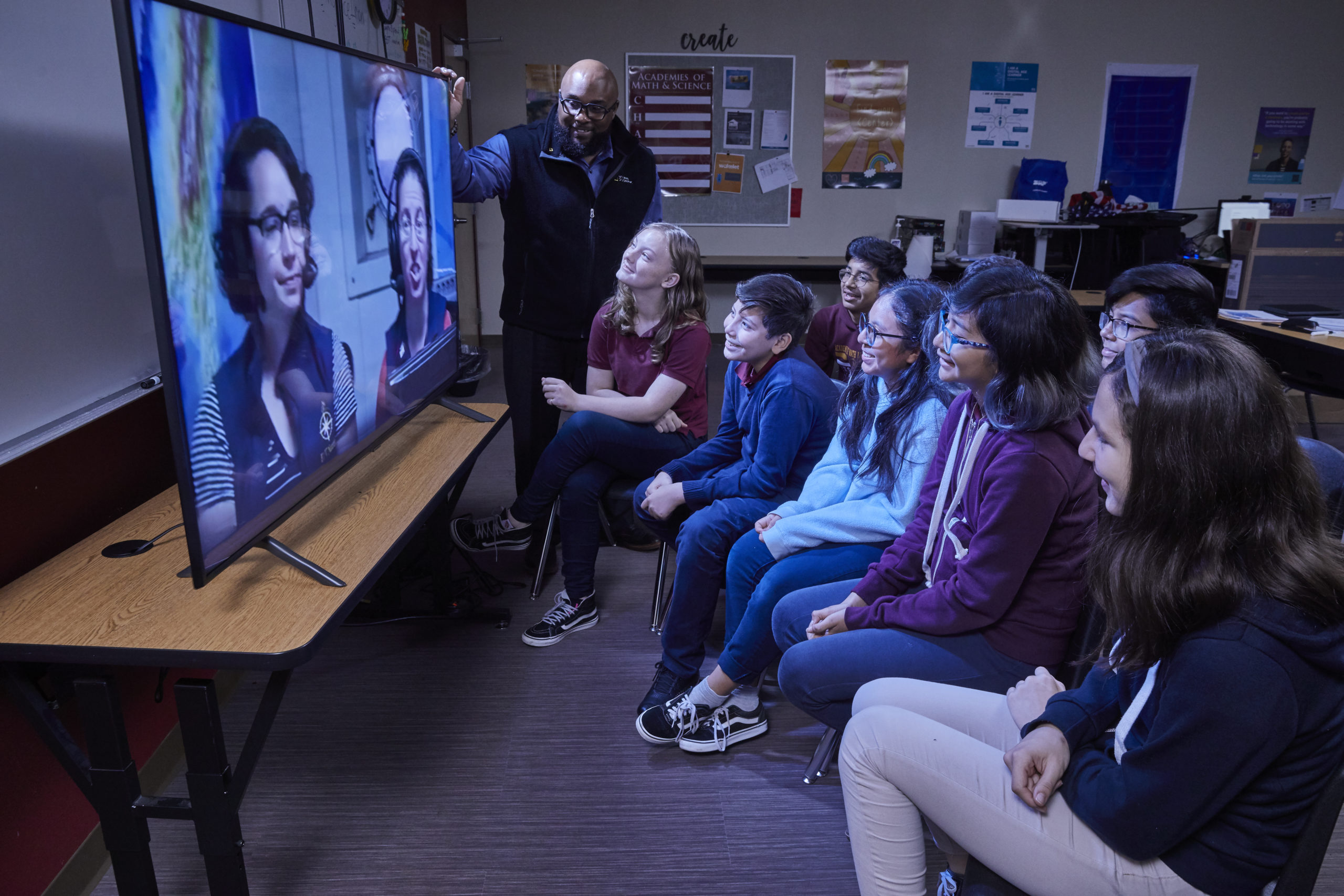
Explorer Classroom
Live interactive session that connects young people with National Geographic Explorers protecting the world’s freshwater resources.

Photo Camp
An immersive experience where students receive guidance from National Geographic Explorers and Photographers.
Photo credits (from top of page): Mauro Sergio, Jonathan Irish, Kostadin Luchansky, Pablo Albarenga, Ghaamid Abdulbasat, Jens Stefan Benöhr, Marc Bierkens, Thalefang Charles, Safa Fanaian, Garvita Gulhati, Dalal Emily Lucia Hanna, Enrique Lomnitz, Shreya Ramachandran, Karabo Moilwa, Kostadin Luchansky, Xavier Lorenzo/AdobeStock, Mark Thiessen, Esther Ruth Mbabazi